hd h103
Strong Base Anion Exchange Resin 201X8 OH: insider notes from the field If you work in ultrapure water or metals recovery, you already speak the language of ion exchange resin . This particular model—201X8 OH—has been showing up on my site visits more often, and for good reasons I’ll get into. To be honest, I was skeptical at first; type I OH-form resins are great workhorses, but they live or die by rinse behavior and mechanical strength. What it is (and why it matters) 201X8 OH is a gel-type, polystyrene–DVB matrix with quaternary ammonium functional groups (–N(CH3)3), i.e., a strong base type I. In practice, that translates to high capacity for strong/weak acids, good silica pickup in polishing, and decent chemical stability. It’s used in pure water trains, wastewater polishing, biochemical separations, and yes—hydrometallurgy for gold/silver/tungsten/molybdenum extraction. Many customers say the OH rinse reaches conductivity targets surprisingly fast after a couple of bed volumes, which—if you’ve fought slow-rinsing beds—feels like a small miracle. Industry trends I’m seeing Shift toward lower-TOC ion exchange resin for semiconductor and pharma water. More interest in PFAS polishing via SBA resins (pilot data is promising, although real-world matrices vary). Regeneration optimization: lower NaOH dose with smarter flow profiles to cut OPEX. Typical specs (field-friendly) Property Typical value (≈, real-world may vary) Matrix / Type Polystyrene-DVB, gel; strong base type I (–N(CH3)3) Ionic form (as shipped) OH− Total exchange capacity ≈0.9–1.1 eq/L (OH− form) Moisture content ≈48–52% Bead size ≈0.6–0.8 mm; UC ≤1.6 Bulk density ≈650–700 g/L Operating pH 0–14 Temperature limit (OH−) ≤60 °C recommended Regenerant NaOH 4–8% w/w, co- or counter-current Process flow (how plants actually run it) Materials: gel-type polystyrene-DVB beads with quaternary ammonium groups. Service: remove anions (Cl−, SO4²−, NO3−, silica) in demin or mixed-bed polishers. Regeneration: NaOH, followed by slow rinse → fast rinse to conductivity spec. Testing: per ASTM D2187—capacity, moisture, bead integrity; optional TOC leach. Service life: ≈3–5 years in DI duty; faster turnover in harsh wastewater matrices. Industries: power, electronics, pharma, mining, food & beverage, lab water. Applications and advantages Ultrapure water: low silica leak; mixed-bed polishing with strong acid cation partners. Hydrometallurgy: extraction/recovery of Au, Ag, W, Mo—good osmotic shock resistance. Wastewater: nitrate/sulfate control; PFAS pilot polishing (site-dependent). Advantages I’ve observed: rugged beads, predictable regeneration, and consistent pressure drop. One client noted TOC after startup Vendor snapshot (quick compare) Vendor / Product Type Capacity (OH−, eq/L) Certs Lead time LIJI 201X8 OH SBA Type I, gel ≈0.9–1.1 ISO 9001; NSF/ANSI 61 (on request) Around 2–4 weeks Purolite A400 SBA Type I, gel ≈0.9–1.1 NSF/ANSI 61 Stock-dependent AmberLite IRA402 SBA Type I, gel ≈0.9–1.0 NSF/ANSI 61 Stock-dependent Note: values are indicative from public datasheets and field notes. Customization and QC Available options include tighter bead size cuts, OH−/Cl− shipping form, and pre-rinse to conductivity/TOC targets. Testing per ASTM D2187 and internal QC: moisture, crush strength, uniformity coefficient, and chloride leakage checks. Certifications: ISO 9001; NSF/ANSI 61 availability for potable applications. Mini case notes Electronics fab: mixed-bed with 201X8 OH cut silica Gold circuit: steady loading, easy strip; operators liked the bead robustness under osmotic swings. Municipal pilot: nitrate reduction met seasonal peaks with modest NaOH dose; monitoring continued. Origin and logistics: NO.2 East Jianshe Road, High-Tech Industrial Development South Zone, Wei County, Xingtai, Hebei Province, China. Freight packing is standard moisture-barrier drums or supersacks. Quick tips Pre-rinse to stable conductivity and TOC before tying into a critical loop. Keep OH-form below 60 °C; for hotter service, evaluate chloride-form first. Track bed expansion and pressure drop; it reveals early fouling before capacity nosedives. Authoritative references ASTM D2187 – Standard Test Methods for Physical and Chemical Properties of Particulate Ion-Exchange Resins. NSF/ANSI 61 – Drinking Water System Components – Health Effects. IUPAC Gold Book – Ion-exchange definitions and terminology. US EPA Technical Briefs – PFAS treatment with ion exchange.
-
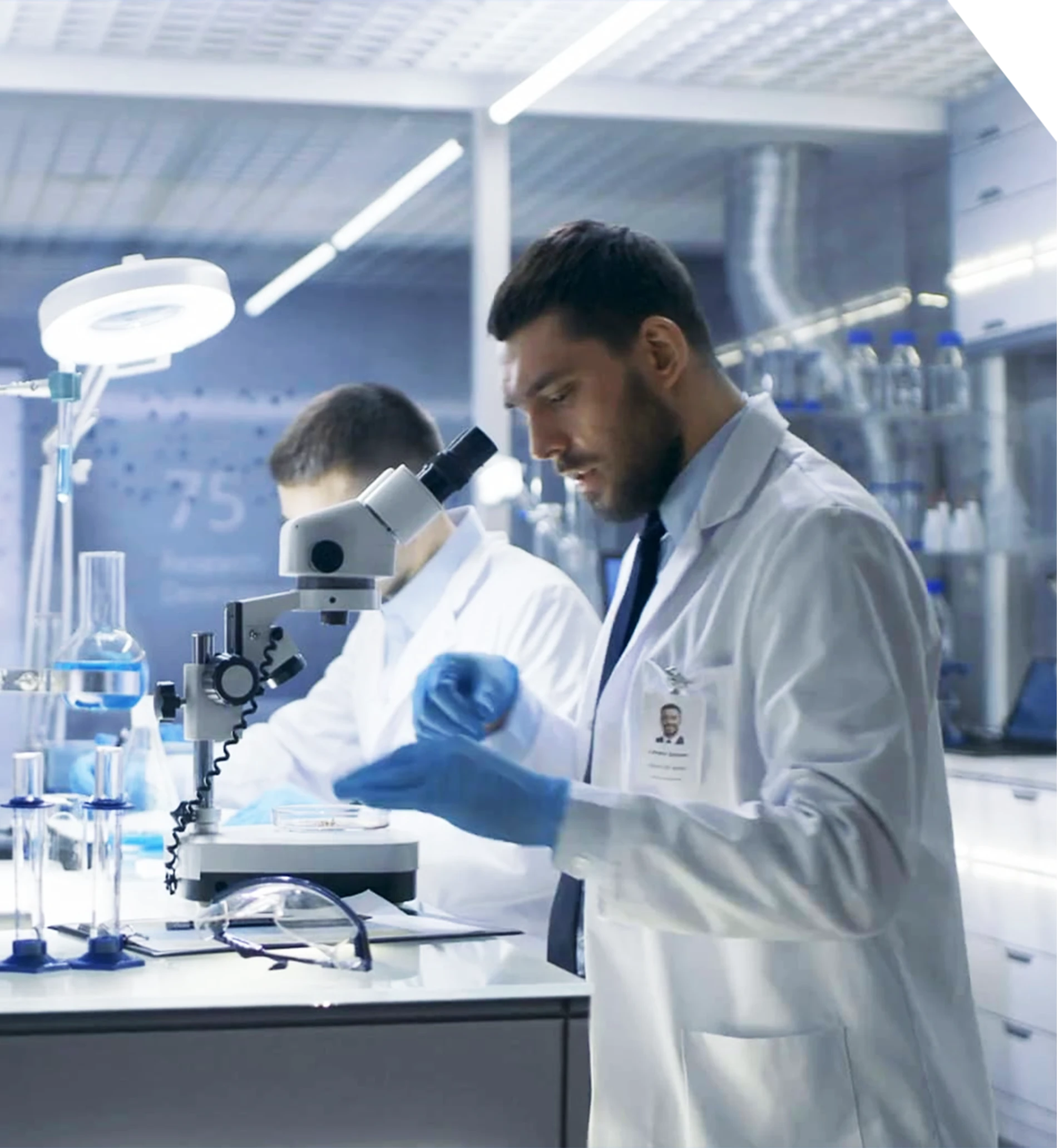
 Strong R & D Capability And Experienced Technical Team
-
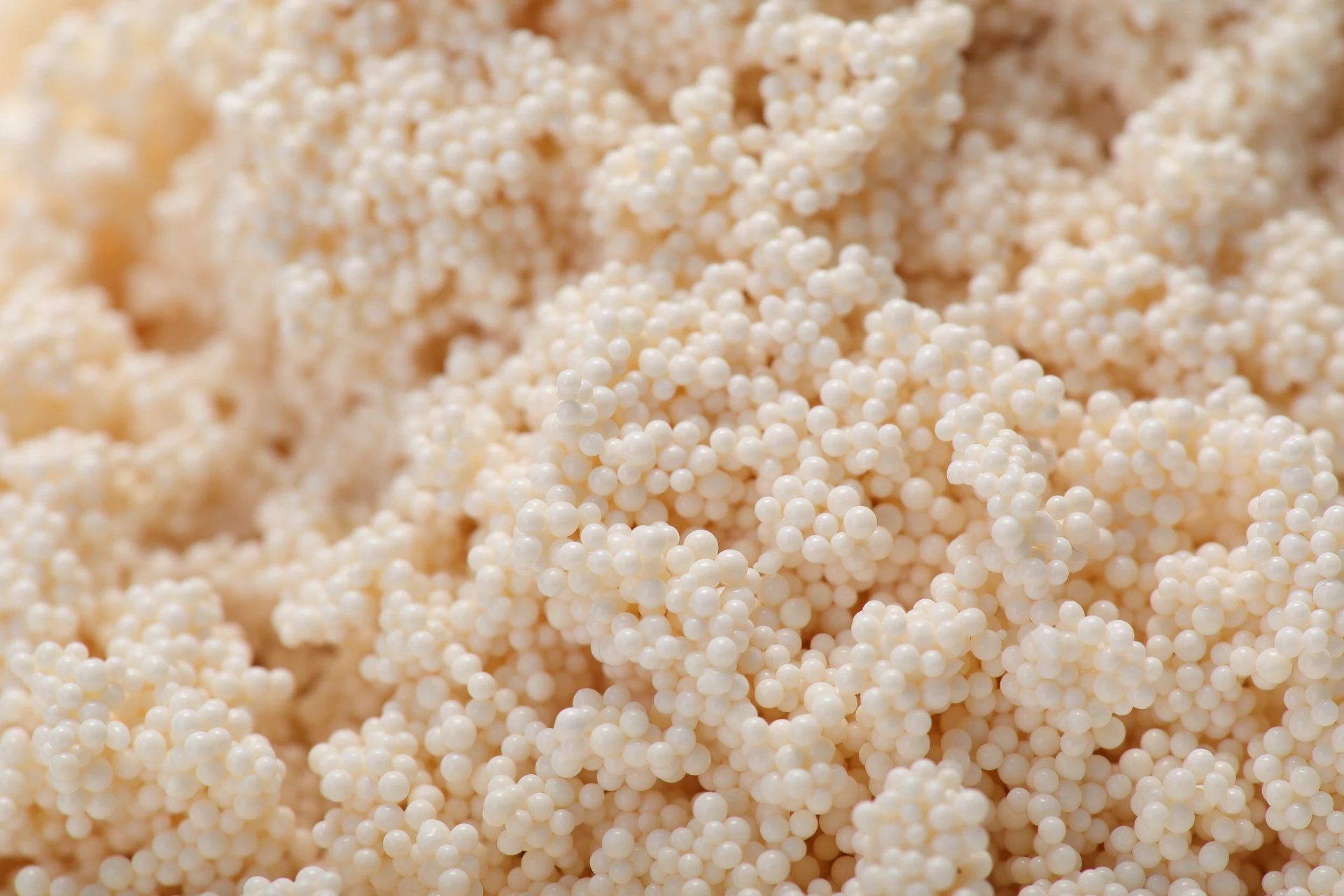
Provide Customers With Competitive And Differentiated Products